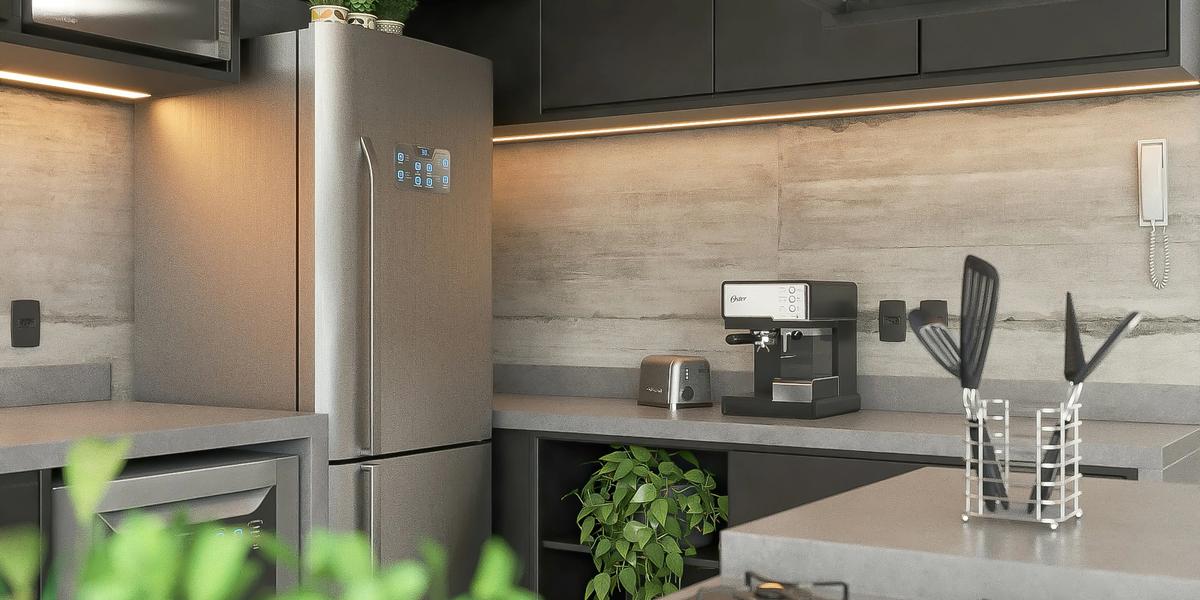
Your refrigerator is likely the hardest-working appliance in your home, running 24/7 to keep your food fresh. While most modern units are built to last, a little bit of preventative maintenance can be the difference between a 15-year lifespan and an expensive emergency replacement.
Here are five simple ways to keep your fridge running efficiently for years to come.
1. Clean the Condenser Coils
This is the most important maintenance task. Over time, dust, pet hair, and lint settle on the coils (usually located at the bottom or back of the unit). When coils are dirty, the compressor has to work twice as hard to remove heat, leading to overheating and premature failure.
- The Fix: Every 6–12 months, unplug the fridge and use a coil brush or vacuum attachment to clear away the debris.
2. Check the Door Seals (Gaskets)
If your door seal is cracked or loose, cold air escapes, and warm air seeps in. This forces your fridge to run constantly to maintain the temperature.
- The Test: Close the door on a dollar bill. If it pulls out easily without resistance, your gasket isn't sealing properly. Clean the seals with warm, soapy water to remove sticky residue that can cause tearing.
3. Keep it Stocked (But Not Overcrowded)
Refrigerators need "thermal mass" (cold items) to help maintain a steady temperature. A full fridge stays cool better than an empty one. However, if you jam-pack it too tightly, you block the airflow from the vents.
- The Balance: Aim for about 3/4 full. This allows for enough air circulation while keeping enough cold mass to reduce the workload on the motor.
4. Respect the Temperature Settings
Setting your fridge to "maximum cold" might seem like a good idea, but it puts unnecessary strain on the cooling system.
- The Sweet Spot: Keep your refrigerator between 37°F and 40°F (3°C to 4°C) and your freezer at 0°F (-18°C). This is the optimal range for food safety and mechanical longevity.
5. Give it Breathing Room
If you have a freestanding refrigerator, it needs space to "breathe." Shoving it too tightly into a custom cabinet or against a wall can trap heat, causing the unit to struggle.
- The Rule: Ensure there is at least an inch of space on the sides and top, and two inches at the back to allow heat to dissipate effectively.